In 2026, the digital landscape has shifted from a broadcast-heavy environment to a deeply personalized, AI-integrated ecosystem. The question "What is social media management?" no longer has a simple answer. It is no longer just about posting pictures or responding to comments; it is a multi-disciplinary field that combines data science, creative storytelling, search engine optimization, and real-time community building.
For businesses navigating this year, social media management is the strategic engine that drives brand discovery, customer loyalty, and direct revenue. With social platforms increasingly functioning as search engines and shopping malls, the way brands manage their presence has become the defining factor in their market success.
This guide provides a comprehensive deep dive into the state of social media management in 2026. We will explore the latest trends, the impact of AI, the necessity of Social SEO, and the step-by-step strategies you need to dominate the social landscape.
1. The Evolution of Social Media Management: 2010 to 2026
To understand where we are, we must look at how we got here. In the early 2010s, social media management was often an afterthought, usually handled by an intern who "knew how to use Facebook." The goal was simple: get as many likes as possible.
By 2020, the field had professionalized. It became about "engagement rates," "viral loops," and the rise of the influencer economy. However, the platforms were still largely siloed, and the algorithms were relatively predictable.
In 2026, we have entered the era of Agentic Social Media. The integration of advanced AI has automated the technical tasks, allowing managers to focus on high-level strategy and human-centric connection. Social media is now the primary discovery layer of the internet, surpassing traditional search engines for younger demographics. Managing this presence requires a sophisticated blend of technical skill and creative intuition.
2. Defining Social Media Management in 2026
At its core, social media management is the process of managing an organization's online presence on social media platforms by creating, publishing, and analyzing content. However, in 2026, this definition has expanded to include:
- Social SEO Optimization: Ensuring content is discoverable through internal platform search engines.
- AI Orchestration: Managing AI agents that handle customer service, content drafting, and data analysis.
- Community Architecture: Building and nurturing private spaces (like Groups or Discord channels) where high-value brand advocates reside.
- Conversational Commerce: Bridging the gap between social discovery and direct sales through messaging apps.
- Crisis Management & Brand Safety: Monitoring the digital environment in real-time to protect the brand from AI-generated misinformation or viral backlash.
| Aspect | Traditional SMM (Pre-2024) | Modern SMM (2026+) |
|---|---|---|
| Primary Goal | Awareness & Reach | Discovery & Conversion |
| Content Type | Highly Produced / Static | "Lo-Fi" / AI-Enhanced / Vertical Video |
| Targeting | Demographic-Based | Interest & Intent-Based (Algorithmic) |
| Search | Google-First | Social-First (TikTok/Instagram/FB Search) |
| Interaction | Reactive (Responding to comments) | Proactive (Community building & AI Agents) |
3. Why Social Media Management is Crucial for Business Success
In 2026, a business without a managed social presence is essentially invisible. Here is why investing in professional social media management is no longer optional:
The Shift to Social Search
Over 60% of Gen Z and Millennial users now start their product search on TikTok or Instagram rather than Google. If your content isn't optimized for these social search engines, you are missing out on the majority of the modern market.
The Death of the Traditional Funnel
The linear "Awareness -> Interest -> Decision -> Action" funnel has been replaced by the "Social Loop." A user might discover a product via a Reel, see a testimonial in a Story, ask a question to an AI chatbot in Messenger, and complete the purchase—all without ever leaving the social ecosystem. Professional management ensures this loop is frictionless.
Building Trust in an AI-Generated World
As the internet becomes flooded with AI-generated content, consumers are craving authenticity. A social media manager's job is to inject "humanity" into the brand, building the trust that is necessary for long-term customer retention.
4. The Core Pillars of Modern Social Media Management
To manage social media effectively in 2026, you must master these five foundational pillars.
Pillar 1: Strategy and Goal Setting
Every post must serve a purpose. A modern strategy involves:
- Audience Mapping: Using AI tools to identify not just who your audience is, but what their "intent" is at different times of the day.
- Platform Selection: Moving away from "being everywhere" and focusing on the 2-3 platforms where your audience is most active.
- KPI Alignment: Connecting social metrics (like "Hook Rate") to business outcomes (like "Customer Acquisition Cost").
Pillar 2: Content Creation and Curation (The "Lo-Fi" Revolution)
In 2026, authenticity is the new premium.
- Vertical Video First: Reels, TikToks, and Shorts are the primary drivers of growth.
- Lo-Fi Content: High-production value is often viewed as "advertorial." Content that looks like it was shot on a smartphone by a real person consistently outperforms professional commercials.
- AI-Assisted Creativity: Using AI to generate hooks, scripts, and initial drafts, while the human manager provides the final "soul" and brand voice.
Pillar 3: Community Management and Engagement
Managing a community is different from managing a page.
- Active Listening: Using sentiment analysis tools to understand how people feel about your brand in real-time.
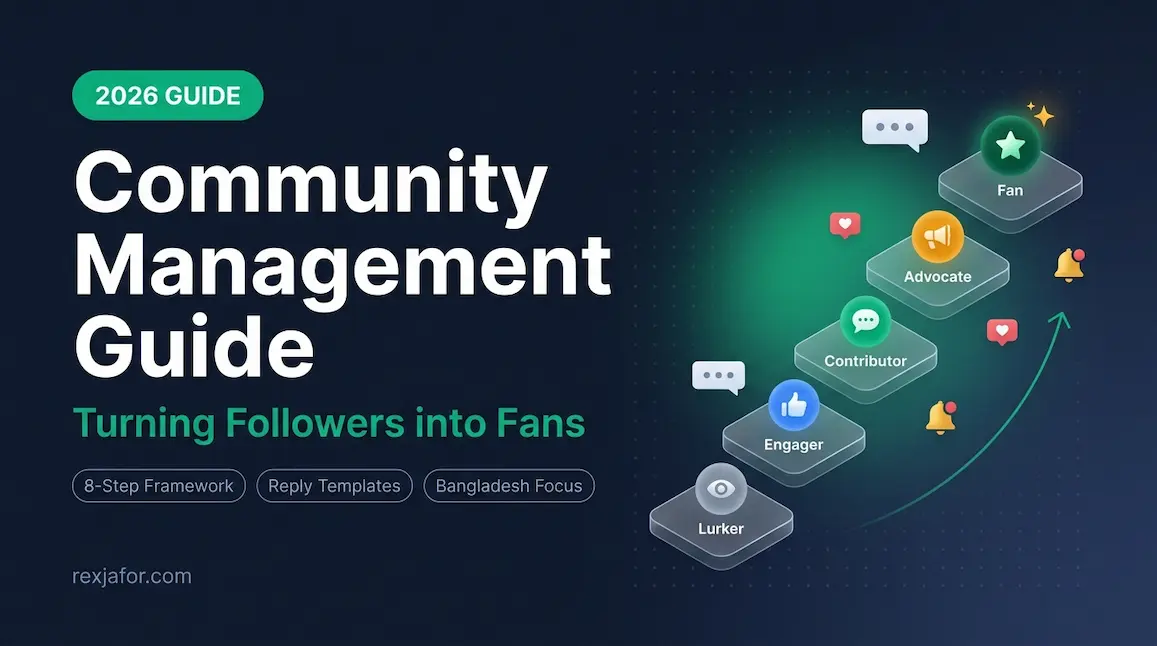
- Advocacy Programs: Identifying your most engaged followers and turning them into a "street team" for your brand.
- AI Customer Care: Implementing AI agents to handle 80% of routine queries, allowing human managers to handle complex, high-emotion interactions.
Pillar 4: Social SEO (The New Discovery Engine)
Social media management now requires SEO skills.
- Keyword Optimization: Integrating keywords into captions, bios, and even on-screen text.
- Metadata Management: Ensuring alt text and video descriptions are optimized for the platform's discovery algorithms.
- Audio SEO: Using trending and relevant audio tracks that the algorithm uses to categorize content.
Pillar 5: Analytics and ROI Tracking
Data is the lifeblood of SMM.
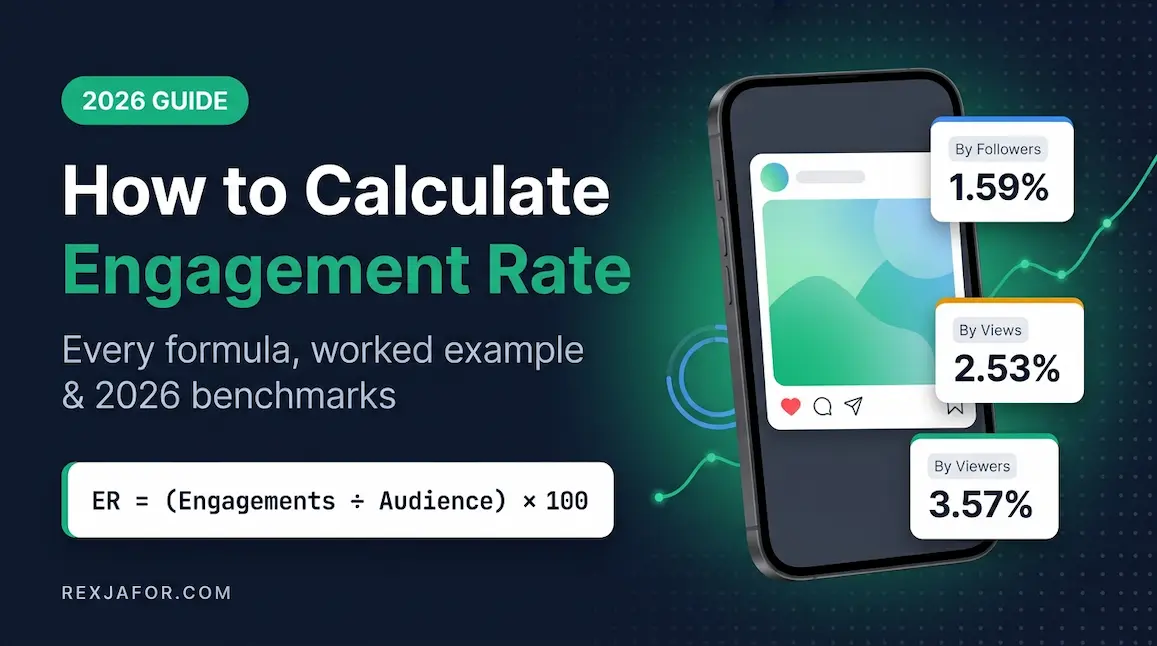
- Beyond Vanity Metrics: Focusing on "Share of Voice," "Sentiment Score," and "Conversion Attribution."
- Predictive Analytics: Using historical data to predict which content types will perform best in the future.
- Holistic Reporting: Showing how social media impacts other channels, such as email signups or organic web traffic.
5. The 2026 Social Media Landscape: A Platform-by-Platform Breakdown
Effective social media management requires a deep understanding of the unique culture and algorithm of each platform. In 2026, the "one-size-fits-all" approach to content is dead.
The Meta Ecosystem (Facebook & Instagram)
Meta has successfully integrated AI across its platforms, making it a powerhouse for both discovery and commerce.
- Instagram: In 2026, Instagram is the "Visual Portfolio" of a brand. Reels drive discovery, while Stories and "Broadcast Channels" drive deep community engagement. The "Shop" integration is now seamless, allowing for one-click purchases.
- Facebook: Despite predictions of its demise, Facebook remains the king of "Community Growth." Facebook Groups are the most powerful tool for building long-term brand loyalty. For marketers, the Advantage+ AI tools make Facebook the most efficient platform for paid acquisition.
The Video Powerhouses (TikTok & YouTube)
- TikTok: The "Entertainment Engine." TikTok is where trends are born. In 2026, it is also a major search engine. Successful management here requires "Chaos Culture"—the ability to jump on trends within hours, not days.
- YouTube: The "Long-Form Authority." While "Shorts" are vital for growth, long-form video on YouTube remains the best way to build deep authority and SEO value. YouTube is the second-largest search engine in the world, making it a critical pillar of any SMM strategy.
LinkedIn: The B2B and Thought Leadership Hub
LinkedIn has evolved from a job board into a content-rich professional network.
- Personal Branding: In 2026, the personal profiles of a company's executives are often more influential than the company page itself.
- Newsletter Integration: LinkedIn Newsletters have become a primary way for B2B brands to stay in front of their target audience.
- Thought Leadership: High-value, long-form posts that share unique insights or data are the gold standard here.
Emerging Platforms and Niche Communities
- Discord & Telegram: Many brands are moving their most loyal fans into private chat communities to bypass the algorithms entirely.
- The Fediverse (Mastodon/Threads): Decentralized social media is gaining traction among privacy-conscious users.
- Niche Networks: Platforms dedicated to specific interests (e.g., Strava for athletes, Behance for designers) offer highly targeted marketing opportunities.
6. The Role of AI in Social Media Management: 2026 Edition
AI is no longer a futuristic concept; it is the backbone of modern social media management. However, the role of the human manager has never been more important—as the "Editor-in-Chief" of the AI.
AI for Content Generation and Optimization
- Generative Creative: AI tools can now generate high-quality images, video clips, and even music that align perfectly with a brand's aesthetic.
- Dynamic Copywriting: AI can draft 50 variations of a caption, each tailored to a different audience segment, in seconds.
- Optimal Timing: Predictive AI determines exactly when your specific audience is most likely to engage, down to the minute.
AI Agents for Customer Experience (CX)
- 24/7 Responsiveness: AI agents handle initial inquiries, order tracking, and basic troubleshooting across Messenger, WhatsApp, and DMs.
- Sentiment Detection: AI can flag potentially negative interactions before they escalate into a crisis, allowing a human manager to step in.
- Personalized Recommendations: AI agents can suggest products based on a user's past social interactions and preferences.
The Human-AI Partnership
The most successful brands in 2026 are those that find the perfect balance. AI handles the Scale (volume, data, repetitive tasks), while humans handle the Soul (creativity, empathy, ethics, and strategic pivots).
7. Social SEO: The New Frontier of Discovery
If you aren't optimizing for social media management search, you are invisible to the modern consumer. Social SEO is the practice of making your content discoverable when users search within an app.
The Anatomy of a Search-Optimized Post
- Keyword-Rich Captions: Gone are the days of one-word captions. In 2026, the algorithm reads your entire caption to understand the context. Use your primary keyword naturally within the first two sentences.
- On-Screen Text: The AI "reads" the text inside your videos. Including keywords as text overlays is a major ranking factor.
- Alt Text and Descriptions: Manually adding descriptive alt text to images and detailed descriptions to videos helps the platform index your content correctly.
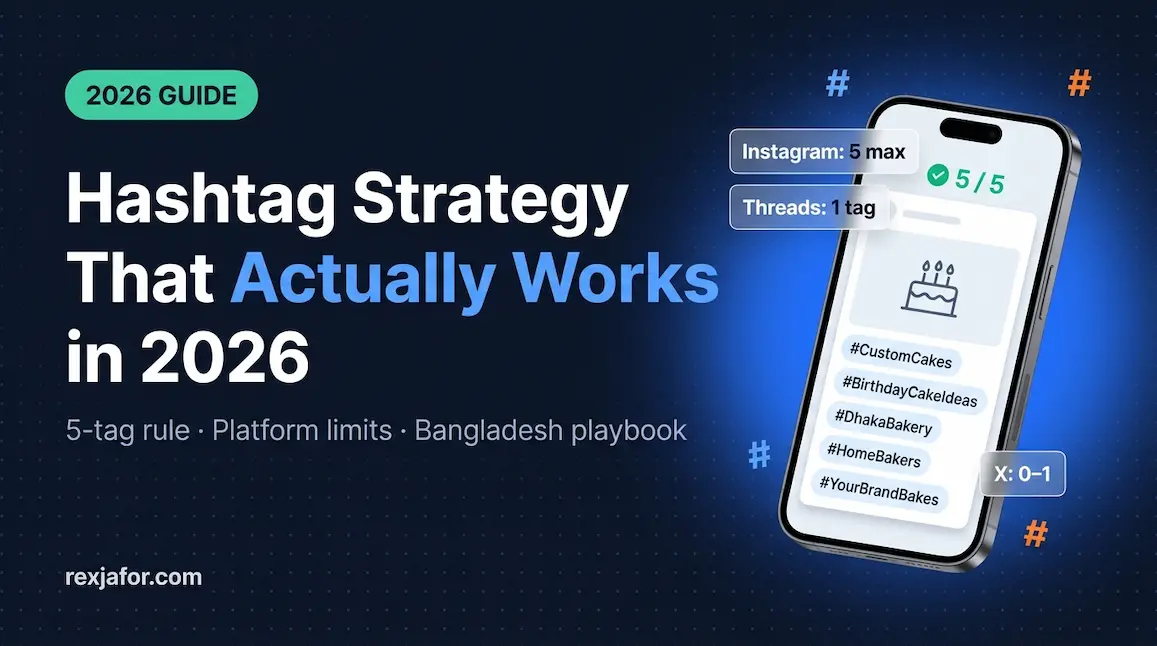
- Hashtag Strategy: In 2026, hashtags act more like "Categories." Use 3-5 highly relevant, keyword-based hashtags rather than a "cloud" of 30.
- Audio Keywords: The titles of the audio tracks you use are also indexed. Using "Original Audio" with a keyword-rich title can boost discoverability.
Social Search vs. Google Search
While Google focuses on "Authority" and "Backlinks," Social Search focuses on "Relevance" and "Recent Engagement." A post that is highly relevant to a user's recent interests and has high initial engagement will rank higher in social search, regardless of the account's total follower count.
8. Building a Winning Social Media Strategy (Step-by-Step)
If you are looking to master social media management in 2026, you need a structured approach. Follow this 8-step framework to build a strategy that actually drives results.
Step 1: Define Your "North Star" Goals
Don't just aim for "growth." Be specific.
- Awareness: Reach X million new potential customers.
- Conversion: Generate $X in revenue directly from social channels.
- Loyalty: Increase the "Repeat Purchase Rate" by X% through community engagement.
Step 2: Audit Your Current Presence
Before moving forward, look back.
- Which platforms are currently driving the most high-value traffic?
- Which content types have the highest "Save Rate" (a key indicator of value in 2026)?
- Where is the brand voice inconsistent?
Step 3: Deep Audience Intelligence
In 2026, we go beyond demographics. Use AI tools to understand:
- Psychographics: What are their values, interests, and lifestyle choices?
- Search Behavior: What specific questions are they asking in the social search bars?
- Platform Habits: When and where do they consume different types of content (e.g., educational content on LinkedIn, entertainment on TikTok)?
Step 4: Content Pillar Development
Create 3-5 "Content Pillars" that define your brand.
- Educational: Teaching your audience something new (e.g., "How-to" Reels).
- Entertaining: Building a connection through humor or storytelling (e.g., "Behind-the-scenes" Stories).
- Inspirational: Sharing the brand's vision and values.
- Promotional: Direct calls to action for products or services.
Step 5: The "Lo-Fi" Production Workflow
Set up a system for rapid content creation.
- Batching: Dedicate specific days to filming vertical video content.
- AI Drafting: Use AI to generate multiple versions of scripts and captions.
- Real-Time Engagement: Allocate time every day for "Proactive Engagement"—interacting with other accounts in your niche, not just responding to your own.
Step 6: Social SEO Implementation
Apply the Social SEO principles we discussed earlier to every piece of content. Ensure your bio, captions, and metadata are all working together to make you discoverable.
Step 7: AI Agent Integration
Deploy AI agents to handle the "Top of Funnel" interactions. Ensure they are trained on your brand voice and have clear escalation paths to human managers for complex issues.
Step 8: Continuous Optimization
Social media moves fast. Review your analytics weekly, not monthly. Be prepared to pivot your strategy if a new trend emerges or an algorithm update changes the rules.
9. Essential Social Media Management Tools for 2026
To execute a modern strategy, you need the right "Tech Stack."
| Category | Recommended Tool Types | Key Features in 2026 |
|---|---|---|
| Scheduling & Publishing | Meta Business Suite, Sprout Social, Hootsuite | AI-powered optimal timing; Cross-platform auto-formatting. |
| Content Creation | Canva, Adobe Express, CapCut | AI image generation; One-click "Lo-Fi" video editing. |
| Social SEO & Research | AnswerThePublic, SEMrush, Metricool | Social search volume data; Keyword difficulty for TikTok/IG. |
| Community & CX | ManyChat, Zendesk, Intercom | Advanced AI agents; Unified inbox for all social DMs. |
| Analytics & Reporting | Brandwatch, Rival IQ, DashThis | Predictive analytics; Sentiment analysis; ROI attribution. |
10. Proving ROI: Beyond Vanity Metrics
One of the biggest challenges in social media management is proving that it actually makes money. In 2026, we use a sophisticated set of KPIs to measure success.
The Metrics That Matter
- Share of Voice (SOV): How much of the digital conversation in your industry is about your brand vs. your competitors?
- Conversion Attribution: Using "Last-Touch" and "Multi-Touch" models to see how social interactions contributed to a final sale.
- Customer Lifetime Value (CLV): Measuring how customers acquired through social media compare to those from other channels in terms of long-term value.
- Sentiment Score: A quantitative measure of how the public feels about your brand.
- Save Rate: In 2026, a "Save" is more valuable than a "Like." It indicates that the content provided enough value for the user to want to see it again.
The "Social Contribution" Report
A modern social media manager should provide a report that shows:
- Direct Revenue from Social Commerce.
- Assisted Conversions (Social's role in the wider customer journey).
- Cost Savings (e.g., how AI agents reduced customer support costs).
- Brand Equity Growth (e.g., increases in organic search for the brand name).
11. Common Social Media Management Mistakes to Avoid
Even with the best tools and strategy, these common pitfalls can derail your success.
Mistake 1: Treating Social Media Like a Billboard
Social media is a two-way conversation. Brands that only post "Buy Now" messages without providing value or engaging with their audience will quickly see their reach plummet.
Mistake 2: Chasing Every New Platform
It is better to be excellent on two platforms than mediocre on five. Don't jump on a new platform just because it's trending; ensure it aligns with your audience and your brand goals.
Mistake 3: Over-Automating Everything
While AI is powerful, it cannot replace human empathy. If your audience feels like they are only interacting with robots, they will lose trust in your brand. Always maintain a human "Editor-in-Chief."
Mistake 4: Ignoring Negative Feedback
In 2026, silence is often interpreted as guilt. Have a clear protocol for responding to negative comments and reviews. Turning a negative experience into a positive one is one of the most powerful forms of marketing.
Mistake 5: Neglecting Platform Security
With the rise of AI-driven phishing and account hijacking, security is a core part of SMM. Use 2FA, limit administrative access, and conduct regular security audits.
12. Frequently Asked Questions (FAQ)
- What is the difference between social media marketing and social media management?
- Social media marketing is a broad term that includes paid advertising and high-level campaigns. Social media management is the ongoing, day-to-day process of managing the brand's presence, creating content, and engaging with the community.
- Do I need a degree to be a social media manager in 2026?
- While a degree in marketing or communications is helpful, it is not mandatory. The most important qualifications are a deep understanding of platform algorithms, data analysis skills, and a proven track record of building communities.
- How much should I spend on social media management?
- The cost varies widely depending on the size of the business and the scope of work. A small business might spend $1,000 - $3,000 per month for a freelancer, while an enterprise might have a dedicated team with a multi-million dollar budget.
- Is organic reach really dead?
- No, but it has changed. "Broadcast" organic reach (posting to your followers) is low. However, "Discovery" organic reach (appearing in the Reels feed or social search results) is higher than ever for brands that create high-value, optimized content.
- How often should I post?
- Quality is more important than quantity. In 2026, the algorithm prioritizes "High-Signal" content. Aim for a frequency that you can maintain consistently without sacrificing quality—usually 3-5 times per week for main feed posts.
- Can AI replace a social media manager?
- No. AI can handle the technical and repetitive tasks, but it lacks the strategic vision, creative intuition, and emotional intelligence required to build a truly great brand. The future is a partnership between human managers and AI tools.
- What is the most important skill for an SMM in 2026?
- Adaptability. The platforms, algorithms, and consumer behaviors change almost weekly. The ability to learn new tools and pivot strategies quickly is the most valuable skill you can have.