Last verified: September 2026 · Rules checked against Instagram, Meta, YouTube Help and DataReportal
If your hashtag strategy is still a block of 30 tags pasted under every post, the platforms have already moved on without you. Instagram now caps every post and Reel at five hashtags, X ranks posts with a Grok-powered model that reads your actual words, and both Instagram and LinkedIn have retired the ability to follow a hashtag. Hashtags are not dead — but their job has changed from megaphone to label.
This guide shows what a hashtag strategy that actually works looks like under the rules in force in 2026: the verified limits on every major platform, a five-step framework you can apply to any post, what brands and creators in Bangladesh should do differently, and a correction table for the outdated advice that still ranks on page one of Google.
KEY TAKEAWAYS
- Hashtags are labels, not reach levers. They tell a platform what your post is about; reach comes from predicted watch time, shares, saves and replies.
- The hard limits changed. Instagram allows 5 hashtags per post or Reel, Threads allows 1 topic tag, and YouTube ignores every hashtag on a video that carries more than 60.
- Keywords come first. Captions, on-screen text and spoken words are now indexed for search on Instagram and TikTok — hashtags reinforce them, they do not replace them.
- One size fits no one. A sensible 2026 range is 3–5 on Instagram and TikTok, 1–3 on Facebook, 0–3 on LinkedIn and 0–1 on X.
- Bangladesh is a Facebook-and-TikTok market. Facebook (64.0M) is where hashtags do the least work, so caption keywords carry the load for most local brands.
- Measure, then rotate. Review hashtag sets every two weeks against non-follower reach, saves and shares — not likes.
What is a hashtag strategy in 2026?
Definition: A hashtag strategy is a documented plan for which hashtags you use, how many, where you place them and how you measure them — adapted to each platform's current rules and built around the keywords your audience actually searches for.
A few years ago, hashtags were the main way content got distributed: people followed tags, browsed tag pages, and more tags meant more lottery tickets. In 2026 the recommendation systems classify your content by reading the caption, analysing the video and audio, and predicting how people will react. The hashtag has become a precision label: it confirms the topic, connects the post to a searchable page, and helps a niche audience find you. Treating it as a volume game now works against you.
| The old playbook | The 2026 playbook | |
|---|---|---|
| Purpose | Reach hack: tag everything that might trend | Categorisation and search: label the post precisely |
| Quantity | Max out the limit (30 on Instagram) | 3–5 on Instagram, 1 topic tag on Threads, 0–1 on X |
| Discovery engine | Followed hashtag feeds and tag pages | AI recommendations plus keyword search inside the app |
| Placement trick | Hide a tag block in the first comment | Caption — the Instagram cap counts comment tags too |
| Success metric | Impressions from hashtags | Non-follower reach, saves, shares and profile visits |
What changed: the rules in force in 2026
Most hashtag guides ranking today were written for a platform landscape that no longer exists. These are the verified changes that define how hashtags work right now:
December 2025
Instagram caps hashtags at five
Instagram announced it would gradually reduce the number of hashtags allowed in a post or Reel caption to five, down from 30, saying fewer targeted tags perform better than many generic ones. The limit applies across photos, carousels and Reels.
January 2026
X commits to publishing its algorithm
After moving its feed ranking to a Grok-based AI model, X owner Elon Musk said the new recommendation code would be open-sourced and refreshed every four weeks. The model reads post text directly, which is why hashtags add little on X.
June 2026
Threads hits 500 million users and graduates Communities
Meta confirmed Threads passed 500 million monthly active users and moved Communities out of beta. Communities grow from topic tags, and native-language tags launched first in Japan, South Korea and Taiwan — not yet in Bangladesh.
August 2026
Instagram's Help Center states the 5-tag rule plainly
Instagram's help documentation now lists up to five tags per post, and multiple scheduling-tool vendors that tested the limit report that tags in your first comment draw from the same allowance — the old comment workaround is closed.
September 2026
Mosseri explains how Instagram ranking works
In a new video series, Instagram chief Adam Mosseri said ranking is built on predictions of how people will respond (watching, sharing), that recency and originality weigh heavily, and that posts from small public creators are tested with non-followers. He told creators to focus on engagement rate rather than raw views.
What this means for you: hashtags still matter at the edges — for search pages, niche communities and campaign tracking — but nothing in the 2026 rulebook rewards volume. Every tag has to earn its slot.
Platform-by-platform hashtag rules
The biggest mistake in most hashtag strategies is using one rule everywhere. Here is the cheat sheet, followed by the detail for each platform.
| Platform | Hard limit (2026) | Recommended | What really drives discovery | Verdict |
|---|---|---|---|---|
| 5 per post or Reel | 3–5 | Keyword-rich captions, alt text, watch time, shares and saves | Use — label precisely | |
| TikTok | No fixed tag cap; captions up to 4,000 characters | 3–5 | Caption keywords, spoken words, on-screen text, completion rate | Use — as search keywords |
| YouTube | All hashtags ignored above 60; first 3 shown above the title | 2–3 | Title, description, retention | Light touch |
| No published cap | 1–3 | Caption relevance, Reels, Facebook search | Optional — for grouping | |
| No published cap; hashtag following removed | 0–3 | Post text, early comments, topical relevance | Optional | |
| X | No cap; X's own guidance suggests no more than 2 | 0–1 | Replies, reposts, bookmarks; AI reads the text | Mostly skip, except events |
| Threads | 1 topic tag per post (no # needed) | 1 | Post text, replies, Communities | Always use your one tag |
Instagram: five slots, zero filler
Instagram's own guidance is that a handful of targeted hashtags beats a long generic list, and the cap now enforces it. Because Instagram search indexes captions, write the phrase your audience would search (for example, “birthday cake ideas in Dhaka”) into the first line of the caption, then use hashtags to confirm the topic. Tags belong in the caption, not hidden in the comments. For format-specific tactics, see our Instagram Reels strategy and guide to growing on Instagram organically.
TikTok: hashtags are keywords
TikTok works like a search engine: it reads your caption, listens to the audio and scans on-screen text to decide what a video is about. The strongest setup is alignment — say your main keyword out loud, show it as text, put it early in the caption, and make at least one hashtag match it. Three to five specific tags is plenty; generic tags like #fyp describe nothing. Our TikTok growth strategy for Bangladesh creators goes deeper.
YouTube: description, not title stuffing
YouTube's policy is explicit: if a video or playlist carries more than 60 hashtags, every one of them is ignored, and misleading or unrelated tags can get the content removed. The first three hashtags in your description appear as links above the title, so two or three accurate tags in the description are enough. Your title and description keywords do the real ranking work.
Facebook: grouping tool, not growth tool
Facebook hashtags become clickable links to a public feed for that tag, which makes them useful for organising a campaign or a product line across your Page, Reels and Instagram. They rarely move reach on their own. One to three specific tags — a branded tag plus a product or location tag — is the practical ceiling. If you sell on Facebook, pair this with our F-commerce guide.
LinkedIn: optional, and the data is split
LinkedIn removed hashtag following in 2024, so tags no longer push posts into a subscriber feed; they now act as topic labels. A July 2026 Metricool study reported that posts with hashtags earned more impressions, but that is a correlation across accounts, and practitioners openly disagree on whether tags help at all. The safe play: zero to three specific tags at the end, never a wall. See our LinkedIn personal branding playbook.
X: let the words do the work
Elon Musk has repeatedly told users to stop using hashtags, and X banned them from ads in 2025. With a Grok-based model now reading post text, a hashtag adds little topical understanding. Use one only when it is the actual name of a live event or conversation, place it naturally inside the sentence, and never open a post with it.
Threads: one topic tag, chosen carefully
Threads allows exactly one topic tag per post, supports multi-word tags without the # symbol, and treats the tag view as a search view. Because Communities form around popular topic tags, search the topic first and tag the version that already has recent, active posts. Our Threads strategy guide covers whether it is worth a brand's time.
Hashtag strategy for Bangladesh: what the 2026 data says
Global guides assume Instagram and X are where the action is. In Bangladesh, the audience sits somewhere else. Here is the platform reach picture from DataReportal's Digital 2026 Bangladesh report, based on each platform's own advertising tools in late 2025:
64.0M
Facebook users (ad reach)
56.2M
TikTok users aged 18+
49.8M
YouTube users (ad reach)
9.15M
Instagram users — up 27.1% in a year
12.0M
LinkedIn registered members
1.17M
X users — down 20% in a year
Source: DataReportal / Kepios, Digital 2026: Bangladesh. Ad-reach figures are not the same as monthly active users; LinkedIn counts registered members. Threads reached about 932 thousand users in Bangladesh on the same measure.
Read against the platform rules above, this data changes the local playbook in five practical ways:
- Your biggest audience is where hashtags matter least. Facebook dominates, yet hashtags barely move reach there. For most Bangladeshi Pages, a clear product keyword in the first line of the caption does more than any tag.
- TikTok and YouTube reward search-ready videos. With 56.2M adult TikTok users and 49.8M on YouTube, the local win is keyword alignment: say the product or topic out loud, show it on screen, and match one hashtag to it.
- Instagram is smaller but growing fastest. It is the platform where your five hashtags carry the most weight, especially location tags such as #DhakaFoodie or #DhakaCafe for food, fashion and lifestyle brands.
- Do not build local campaigns around X or Threads hashtags. Both have around a million users in Bangladesh; use them for global or tech audiences only.
- Test English and Bangla-script tags separately. Local audiences search in both. Keep each tag set in the same language as the caption, and compare the two versions in your insights rather than mixing them in one post.
Brand-safety rule: trending hashtags in Bangladesh are often tied to politics, protests or tragedies. Attaching a product post to one of these is the fastest way to damage a brand. If a trending tag is not genuinely about your content, leave it alone.
The 5-step hashtag strategy framework
This is the same process we use when building social plans for clients. It takes about ten minutes per content theme once set up, and it plugs straight into your social media content calendar.
STEP 1
Start with the keyword, not the hashtag
Decide the one phrase a person would type to find this post: “eid dress ideas”, “budget phone under 20000”, “how to calculate engagement rate”. Put it in the first line of the caption, on screen for videos, and in the spoken hook. Only then choose hashtags that reinforce it.
STEP 2
Research tags inside the app
- Use search suggestions. Type your keyword into Instagram, TikTok or YouTube search and note the autocomplete phrases — they reflect real demand.
- Open the tag page before you use it. Are the recent posts similar to yours? Are they getting engagement? If the page shows a notice that posts are hidden, the tag is restricted — drop it.
- Check two or three competitors. Look at the tags on their best-performing posts, not their average ones.
- Use listening tools for scale. For multiple brands, a social listening tool shows which tags your audience actually uses.
STEP 3
Build a five-slot set
Five slots matches Instagram's cap and works as a ceiling everywhere else. Give each slot a job so no tag is filler. Example for a home bakery in Dhaka:
| Slot | Job | Example |
|---|---|---|
| 1. Topic | Names exactly what the post shows | #CustomCakes |
| 2. Search intent | Matches a phrase people search when ready to act | #BirthdayCakeIdeas |
| 3. Location | Connects you with local buyers | #DhakaBakery |
| 4. Community | Joins an active niche conversation | #HomeBakers |
| 5. Branded | Collects your own posts and customer content | #YourBrandBakes |
On X, keep only slot 5 or a live event tag. On Threads, pick the single most active topic. On LinkedIn and Facebook, slots 1 and 5 are usually enough.
STEP 4
Format and place correctly
- Use CamelCase (#BirthdayCakeIdeas, not #birthdaycakeideas) so screen readers and humans can read it.
- Instagram, TikTok, Facebook, LinkedIn: end of the caption, after the call to action.
- YouTube: in the description; the first three appear above the title.
- X: inside the sentence, never as the opening word.
- Threads: add the topic through the tag option; no # required.
STEP 5
Measure and rotate every two weeks
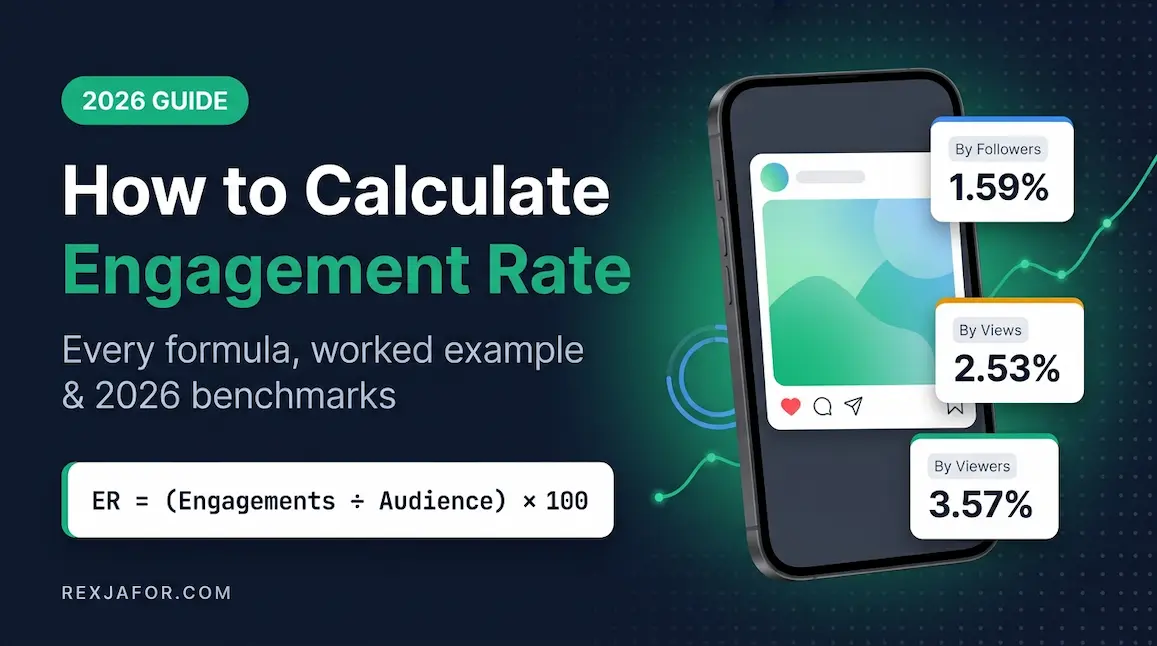
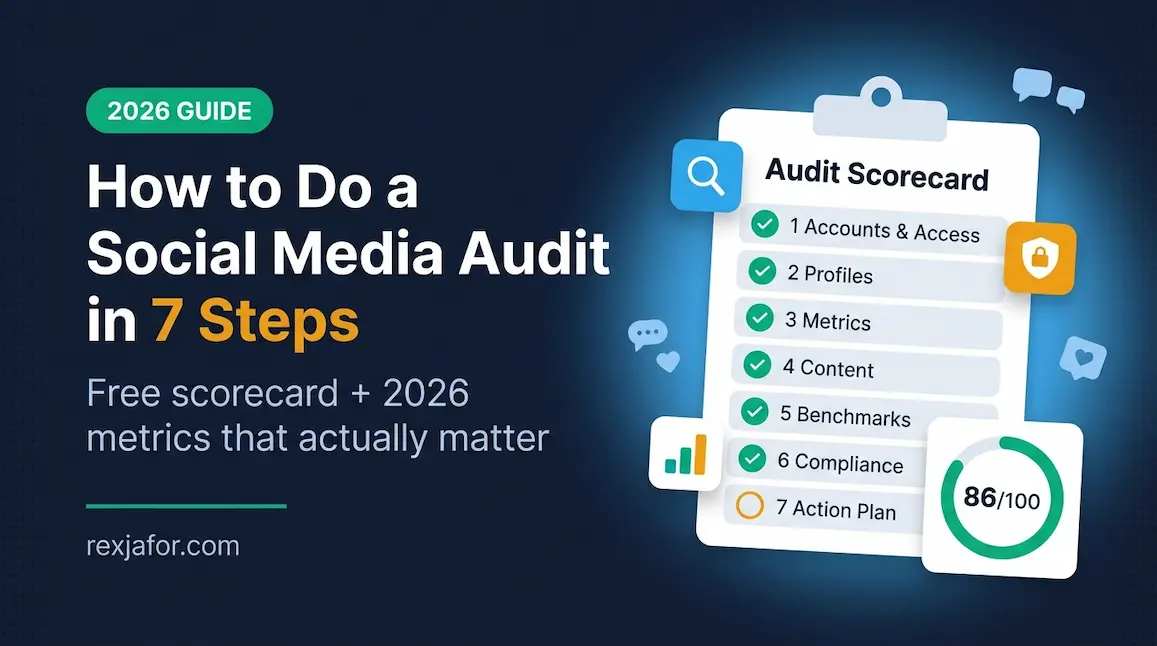
On Instagram, open a post's insights and check reach from non-followers, saves, shares and profile visits. Keep sets that consistently lift those numbers and swap out tags that do not. Track results per content theme, not per single post, and fold the review into your monthly social media audit. To compare posts fairly, use the formulas in our guide on how to calculate engagement rate.
Branded hashtags: the one type worth owning
Most hashtags you rent; a branded hashtag you own. It will never bring the reach of a broad tag, but it collects every customer photo, review and unboxing in one searchable place, which makes it the backbone of a user-generated content programme. For Bangladeshi online sellers, it is also the cheapest trust signal available.
- Keep it short and unmistakable. Under about 15 characters, easy to spell, and checked for existing use or awkward double meanings before launch.
- Put it everywhere the customer looks. Your bio, the packaging insert, the delivery slip and your Facebook Page cover.
- Give people a reason to use it. A monthly feature or a small discount for tagged customer photos turns the tag into a habit.
- Use a separate campaign tag for launches. Time-bound tags such as #YourBrandEidEdit let you measure one campaign without polluting the main tag.
Outdated hashtag advice, corrected
We reviewed the pages currently ranking for “hashtag strategy”. Several still repeat advice that the 2026 rules have overturned:
| What some guides still say | Where it appears | The 2026 reality |
|---|---|---|
| Instagram supports up to 30 hashtags per post | Marketing glossaries and older hashtag tools | The limit is 5 per post or Reel since Instagram's December 2025 change. |
| Hashtags work the same in the caption or the first comment | Popular Instagram guides | The cap is per post. Tags in your first comment count toward the same five, so the caption is the right place. |
| Use the same hashtags across every network | Hashtag-marketing listicles | Rules range from 1 topic tag on Threads to 5 on Instagram, and X suggests no more than 2. Each platform needs its own set. |
| Hashtags give your content the potential to go viral | Older marketing blogs | Instagram leadership has said hashtags do not increase reach; ranking is driven by predicted watching, sharing and engagement. |
| Follow hashtags to reach people who follow that tag | Guides written before 2025 | Both Instagram and LinkedIn have removed hashtag following. |
| Hashtags are dead, so skip them | Hot-take posts | They still categorise content, power search and tag pages, and track campaigns. They are smaller, not gone. |
Pre-publish hashtag checklist
Run this before every post:
- ✅ The main keyword is in the first line of the caption (and spoken or on screen for video).
- ✅ Hashtag count fits the platform: 3–5 Instagram and TikTok, 1–3 Facebook, 0–3 LinkedIn, 0–1 X, 1 topic on Threads.
- ✅ Every tag describes what is actually in this post.
- ✅ No tag page shows a hidden-posts notice.
- ✅ No unrelated trending, political or tragedy-linked tags.
- ✅ Tags are written in CamelCase and placed where the platform expects them.
- ✅ Branded tag included where it makes sense.
- ✅ A review date is set for this hashtag set (two weeks out).
Frequently asked questions
Do hashtags still work in 2026?
Yes, but in a smaller role. They help platforms categorise your content and connect it to search and tag pages, especially on Instagram, TikTok and YouTube. They do not boost reach on their own — engagement signals such as watch time, shares and saves decide distribution.
How many hashtags should I use on Instagram in 2026?
Instagram allows a maximum of five hashtags per post or Reel. Use three to five that describe the post precisely, and put your main keyword in the caption text as well.
Should I put hashtags in the caption or the first comment?
Put them in the caption. Instagram's five-tag limit applies per post, and tags in your first comment count toward the same allowance, so moving them to a comment no longer gives you extra room.
Should Bangladeshi brands use English or Bangla hashtags?
Test both. Audiences in Bangladesh search in English and in Bangla script, so run separate tag sets that match the language of each caption and compare reach from non-followers in your insights after two weeks.
Do hashtags work on Facebook?
They work as clickable, searchable labels that group related posts, which is useful for campaigns and product lines. They rarely increase reach by themselves, so one to three specific tags is enough.
What is the ideal hashtag strategy for a small business?
Pick three or four content themes, build a five-slot set for each (topic, search intent, location, community, branded), use them on Instagram and TikTok, trim to one or two on Facebook, and review results every two weeks. Our guide to social media strategy for small business shows how this fits into a full plan.
Are banned hashtags still a thing?
Yes. Instagram restricts tags associated with spam or inappropriate content, and the list changes without notice. Search a tag in the app before using it; if the page shows a notice that posts are hidden, avoid it.
Final thoughts: precision beats volume
A hashtag strategy that actually works in 2026 is short, specific and platform-aware. Lead with the keyword your audience searches, use hashtags to confirm it, respect each platform's limits, and let your insights decide which tags stay. For brands in Bangladesh, that means optimising captions for Facebook first, treating TikTok and YouTube as search engines, and saving your five best Instagram slots for tags that genuinely describe the post. For the bigger picture of how hashtags fit into day-to-day execution, read our complete guide to social media management.